

Guides
Start from the symptom
Every guide starts where you are — a stain, a smell, a taste — and works back to the test numbers behind it, then forward to the treatment order that fixes it.

The New Well Owner's Checklist: The Paperwork, the First Test, the Wellhead Walk, and the First-Year Calendar
The keys came with a folder: one old test result and a page you can't read. The paperwork hunt, the baseline lab test before any treatment talk, the wellhead walk, and the first-year calendar — the sequence that turns a house with a well into a water supply you actually know.
Read the guide →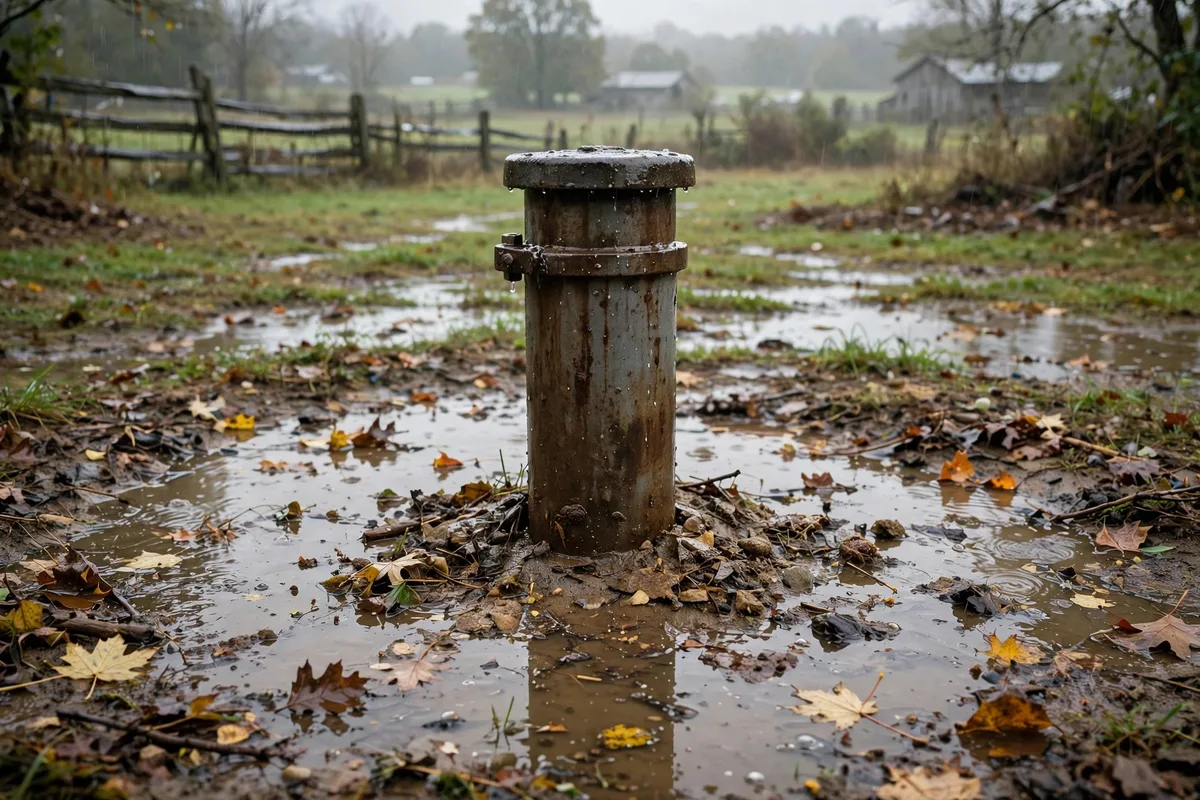
Well Water After Heavy Rain and Flooding: Which Changes Are Signals, and the Order of Operations When the Well Goes Under
The storm is over and the water runs cloudy for the first time in years. Most rain changes nothing — but water that reached the wellhead changes everything. How to read the changes, the agencies' order of operations for a flooded well, and the grading and cap work that keeps the next storm out.
Read the guide →
One Quote, Six Jobs: What a Whole-House Well Water System Actually Costs in 2026
One installed quote, six separate jobs — and no way to tell which dollars treat which problem. The stack unbundled stage by stage with manufacturer prices checked in November 2026, the running costs nobody quotes, and five-year totals for three real water profiles.
Read the guide →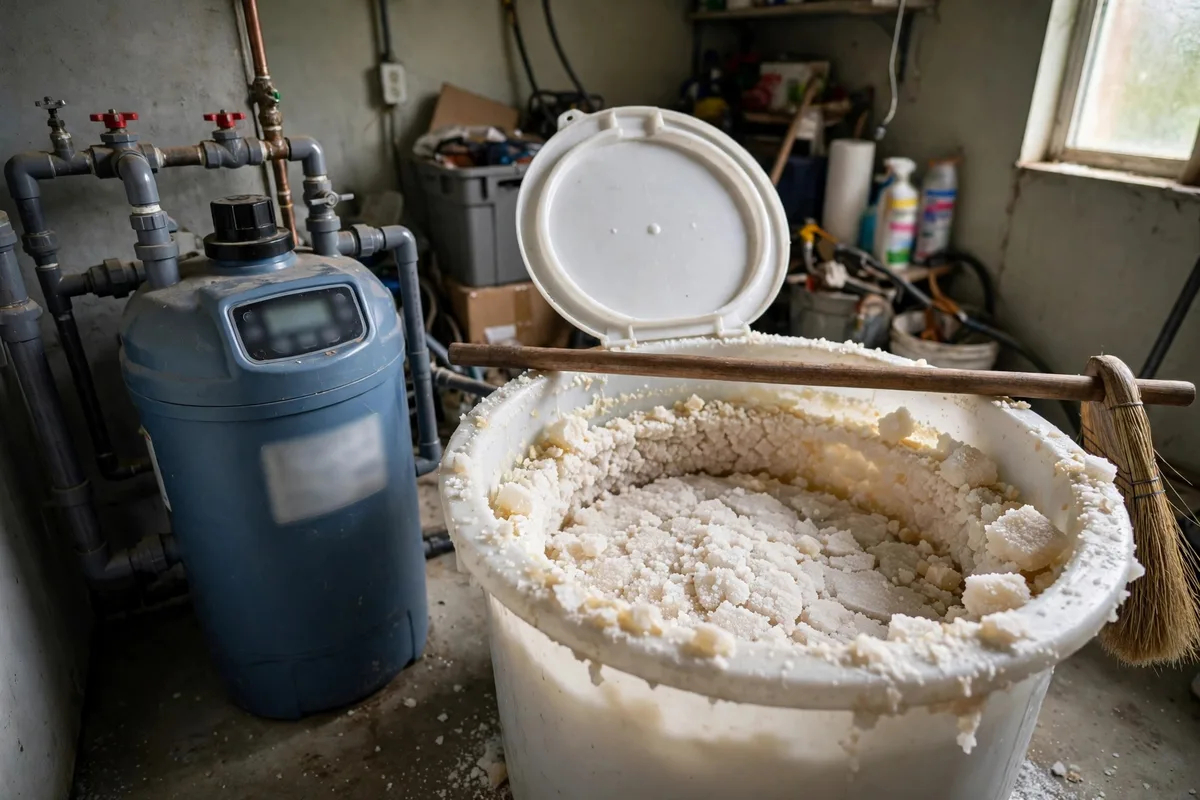
The Softener That Stopped Using Salt: A Maintenance Guide for Brine Tanks, Resin, and Valves on Well Water
The brine tank has been full for months and the scale is quietly back — a crust of fused salt arched over hollow brine. Salt levels and types, resin care on iron-bearing well water, the clock check after every outage, and the injector rinse, on the EPA's and the manufacturers' own instructions.
Read the guide →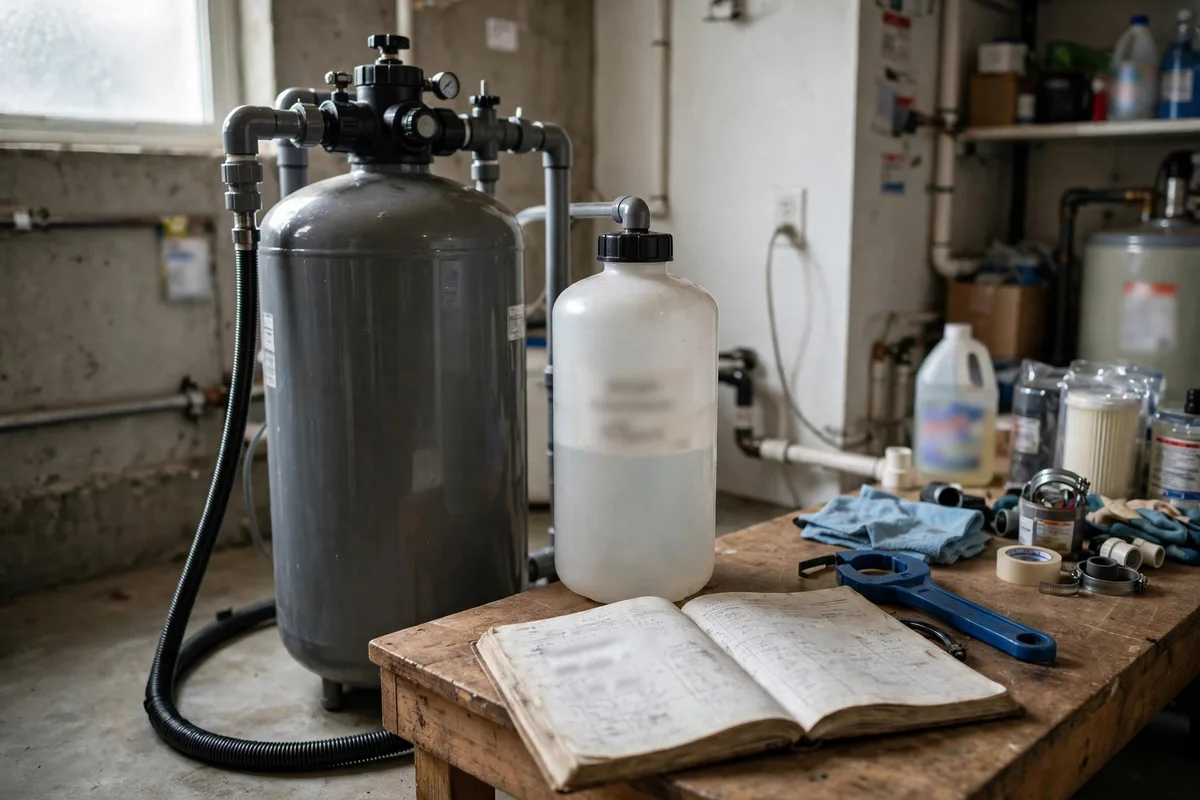
The Iron Filter Didn't Break: A Maintenance Guide for AIO, Chemical-Feed, Catalytic, and Cartridge Systems
Two years in, the stains creep back and the pressure sags — and nothing is broken. The backwash rhythm, the oxidant refills, the injector cleaning, and the media change, family by family: air-injection, chemical feed, catalytic media, and cartridges, on the manufacturers' own schedules.
Read the guide →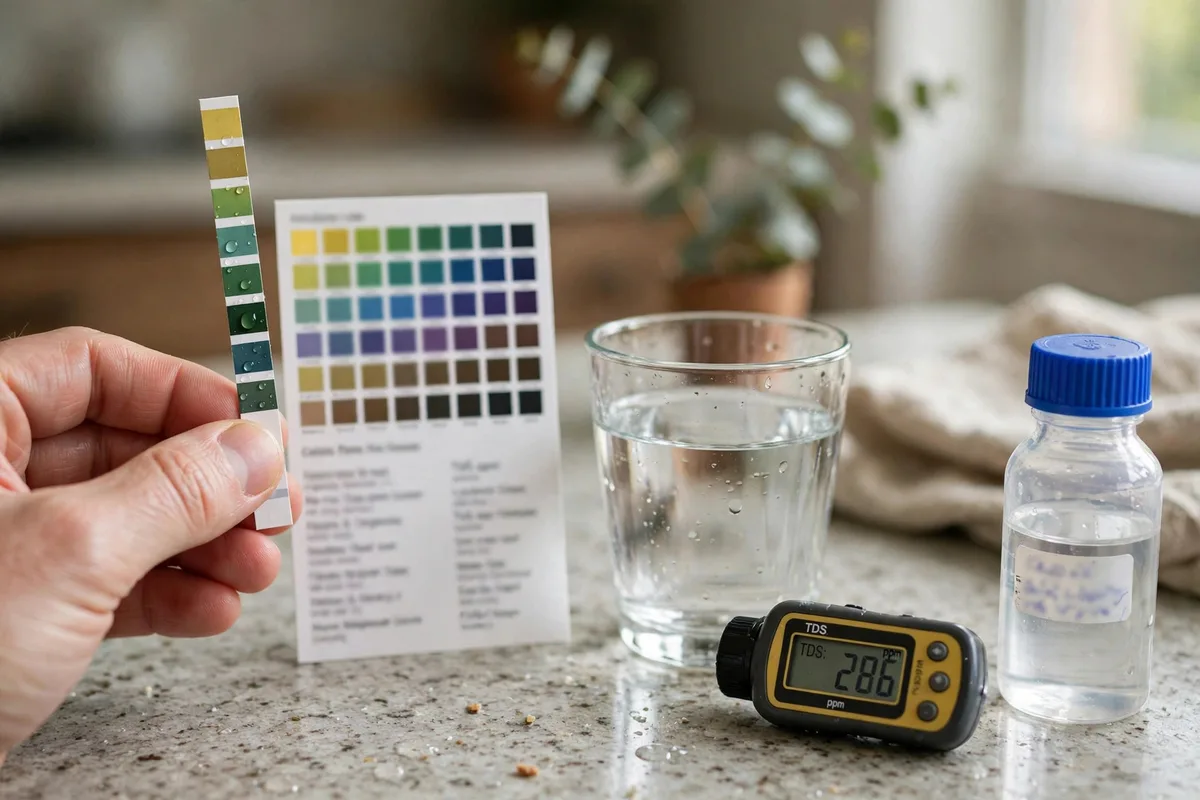
Home Test Kits vs a Certified Lab: What the Strip in Your Glass Can Tell You, and What It Can't
The strip says the color is between two squares — and the decision on the table needs a number. What strips, drop kits, meters, and bacteria vials actually measure, what the one head-to-head study found, and the sampling mistakes that defeat a home kit and a certified lab alike.
Read the guide →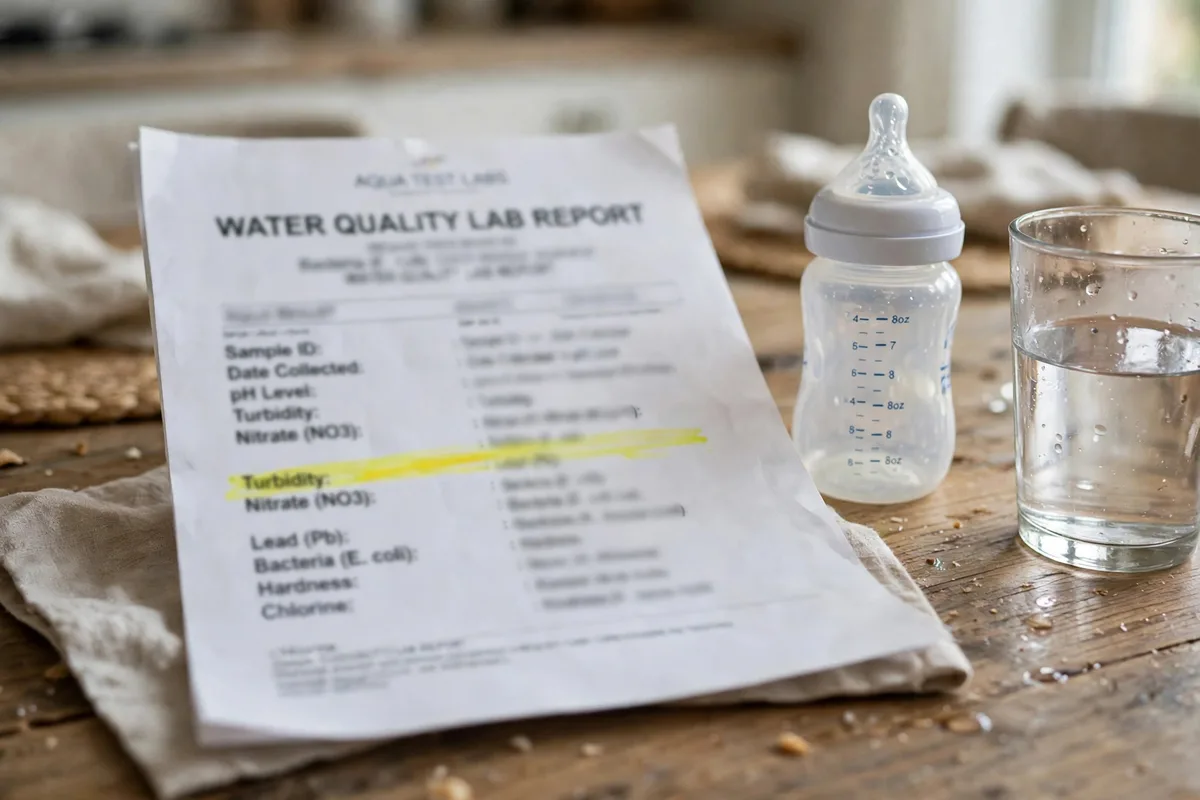
Nitrate in Well Water: 10 or 44? The Two Rulers on Your Lab Report, and the Limit Written for Infants
Nitrate: 23 mg/L on the report — over the limit or under it? It depends which ruler the lab used. The 10 mg/L standard written for infants, the fertilizer and septic sources, why boiling makes it worse, and the three treatments that actually remove it.
Read the guide →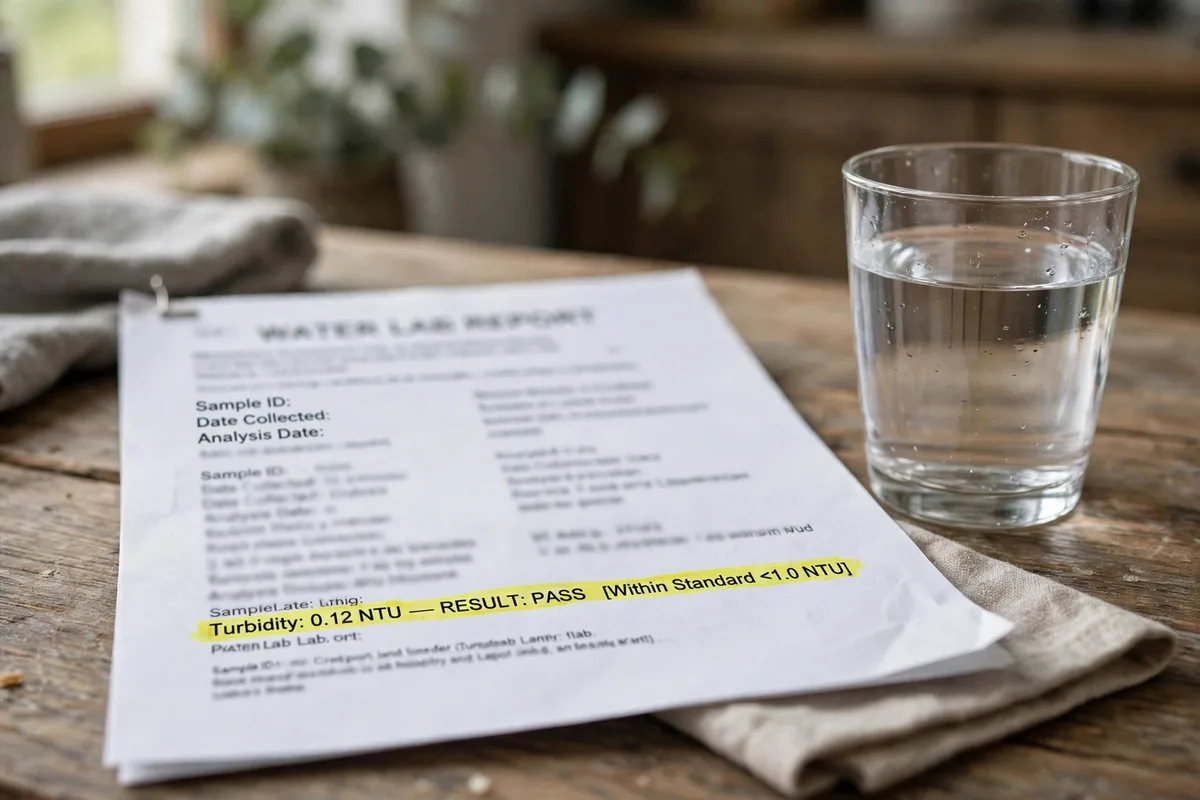
Arsenic in Well Water: No Taste, No Smell, No Color — the Lab Report Is the Only Warning
Arsenic: 18 ppb on the lab report — and nothing else wrong in the house. No taste, no smell, no color: the lab test is the only warning. The 10 ppb standard, the goal of zero, and why As(III) vs As(V) decides every treatment choice.
Read the guide →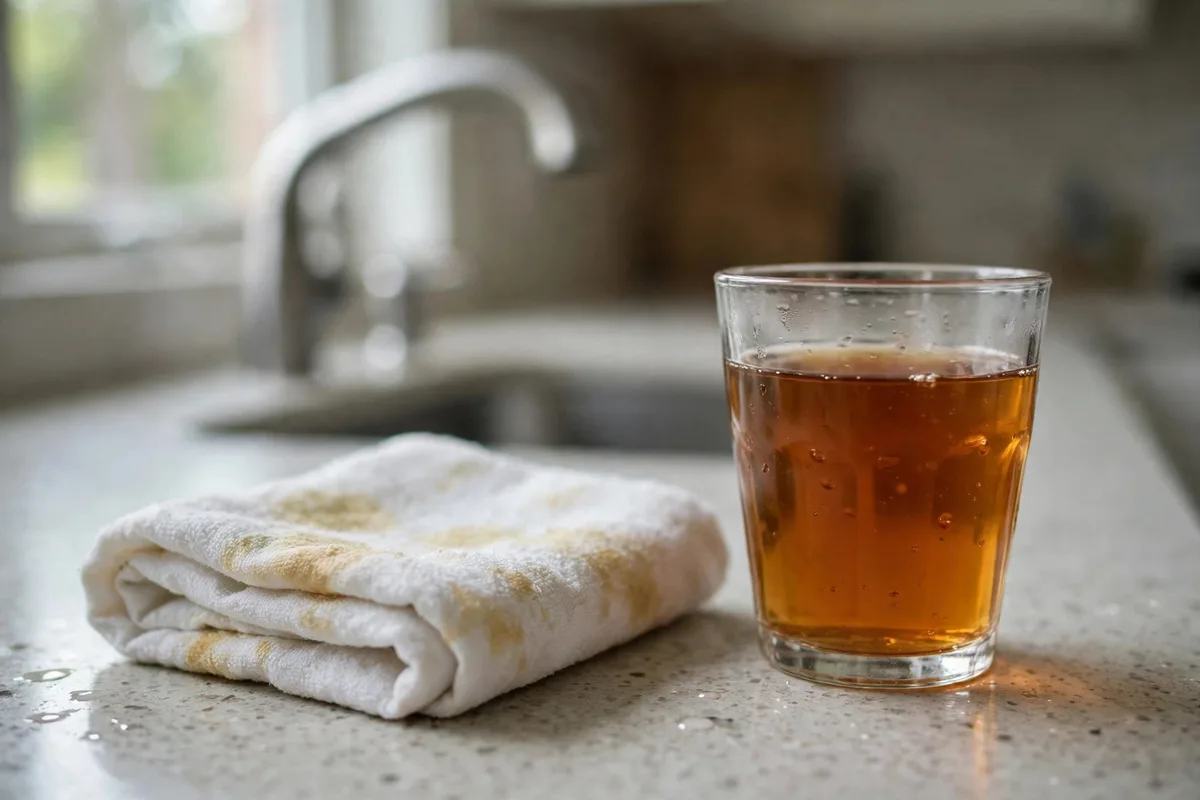
Tannins in Well Water: Why Your Water Looks Like Tea (and Why the Iron Filter Won't Fix It)
Water the color of weak tea, whites coming out of the wash yellow, a tangy taste. Tannins are dissolved plant matter — they never settle like iron, and they coat the resin in the equipment bought to fix them. The overnight glass, the right lab panel, and the treatment order.
Read the guide →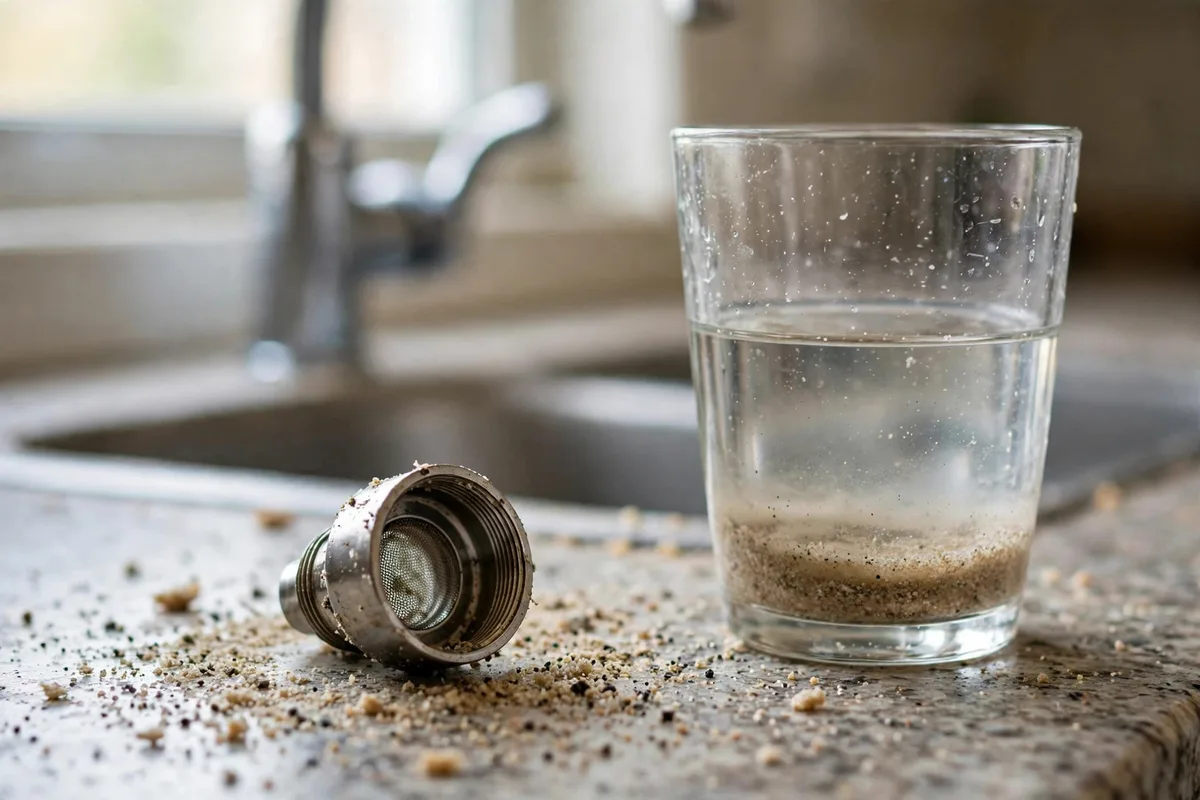
Sediment in Well Water: Sand, Grit and Cloudy Water — and the Filter Order That Catches Them
Grit in the faucet aerator, sand in the toilet tank, a glass that never quite clears. The particle you have decides the filter — spin-down first, cartridge second — and sudden new sand is a well problem, not a filter problem.
Read the guide →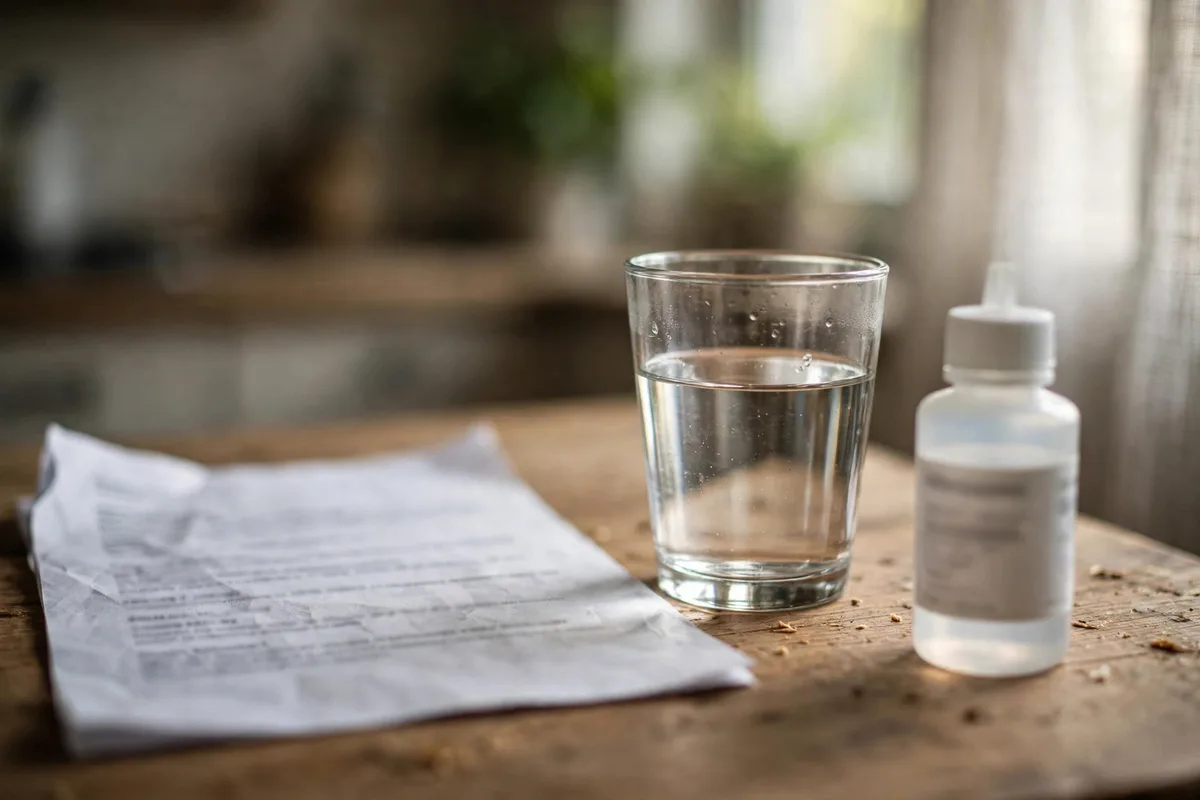
Coliform in Well Water: What a Positive Test Means, and the Shock Chlorination That Fixes It
Total coliform: PRESENT. It does not mean you will get sick — it means something has a path into your well. Read the result, fix the pathway, then shock chlorinate.
Read the guide →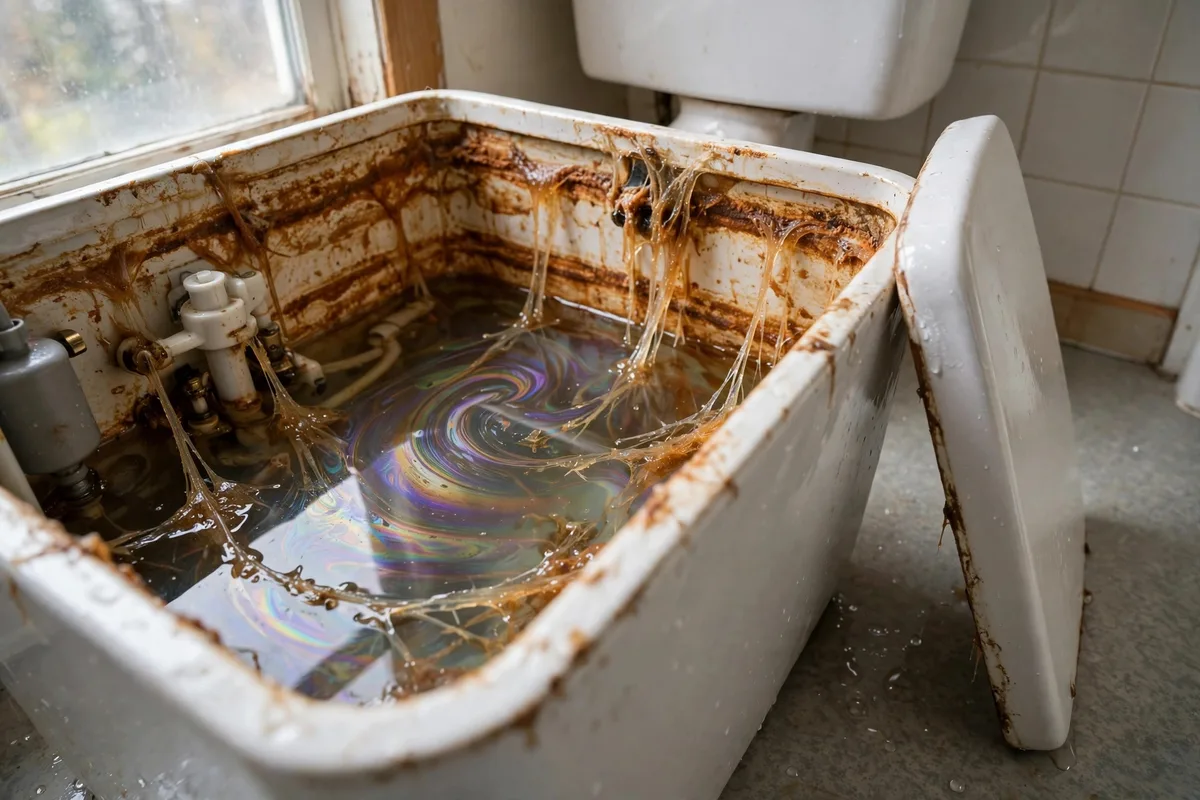
Iron Bacteria in Well Water: The Slime in Your Toilet Tank, and Why a Filter Can't Fix It
Orange slime in the toilet tank, a rainbow sheen, a swampy smell after the house sits empty. Iron bacteria live in the well itself — why no filter can fix them, and the disinfection order that controls them.
Read the guide →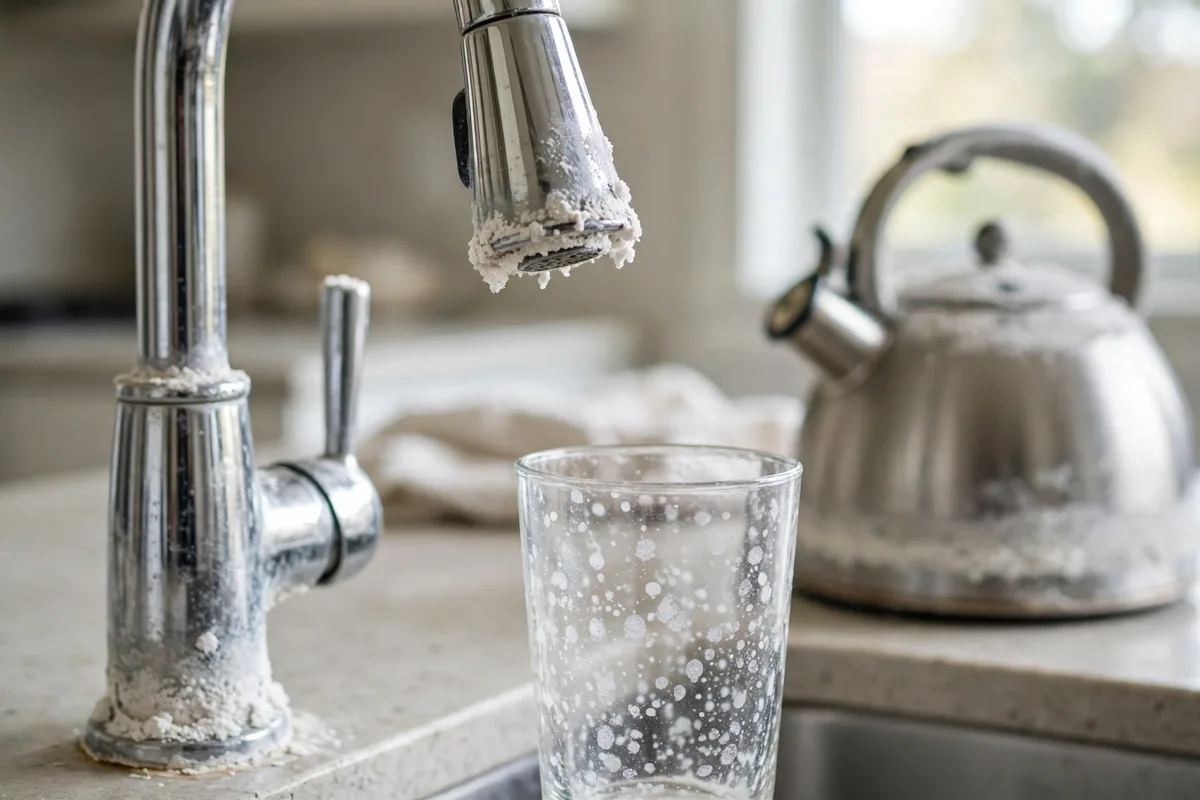
Hard Water in Well Water: White Scale, Spotty Dishes, and How to Soften It
White scale on the faucets, spots on every glass, a water heater slowly cooking itself in its own minerals. What your hardness number means, how a softener actually works, and why it goes last in the train.
Read the guide →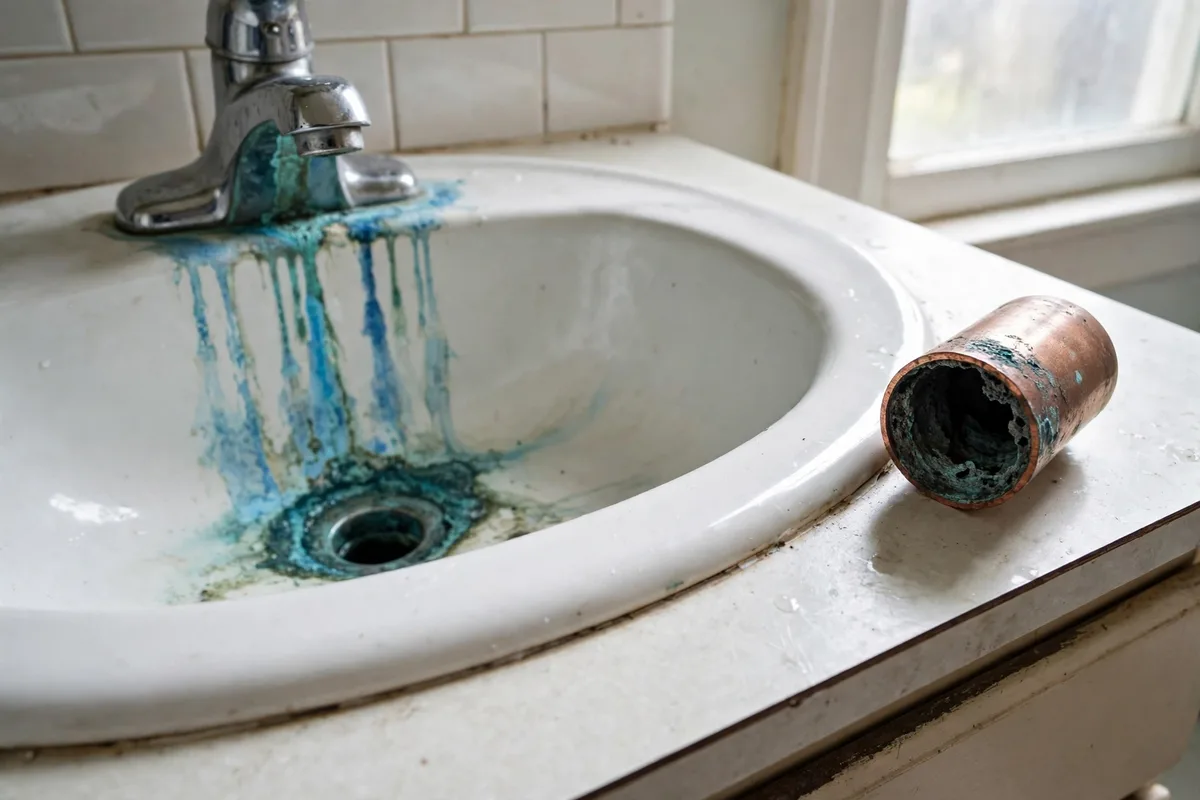
Low pH in Well Water: Blue-Green Stains, Pinhole Leaks, and Why Your Filter Is Struggling
Blue-green stains, metallic morning water, pinhole leaks — acidic water eats copper plumbing from the inside, and quietly disables iron and manganese filters. Why pH is fixed first, and the two ways to raise it.
Read the guide →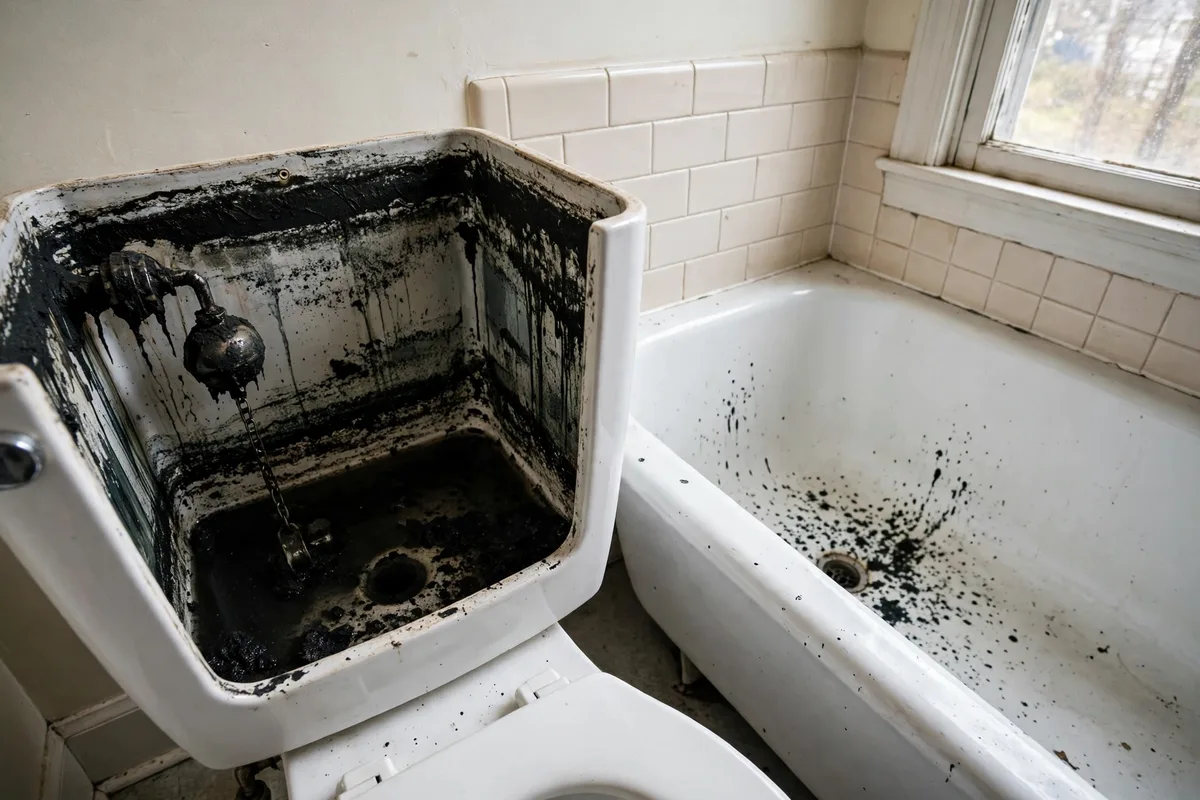
Manganese in Well Water: Black Stains, Bitter Water, and Why Iron Filters Miss It
Black stains, black grit in the toilet tank, bitter coffee — manganese is iron's slower companion, and it slips past iron filters. The two numbers (0.05 and 0.3 mg/L) and the treatment each level needs.
Read the guide →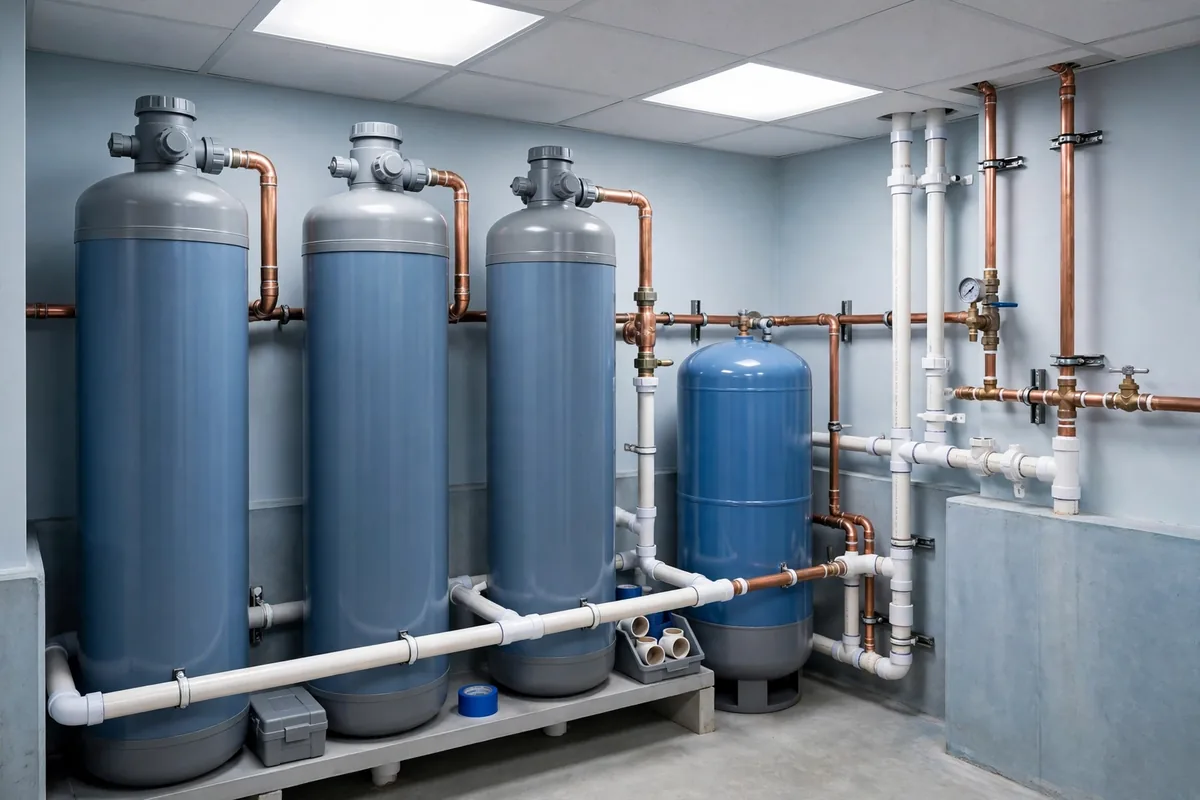
SpringWell vs US Water Systems vs iSpring for Well Water (2026)
$536, $2,231, or $3,295 — the price is not the ranking. SpringWell, US Water and iSpring compared on the manufacturers' own ratings, matched to your test numbers.
Read the guide →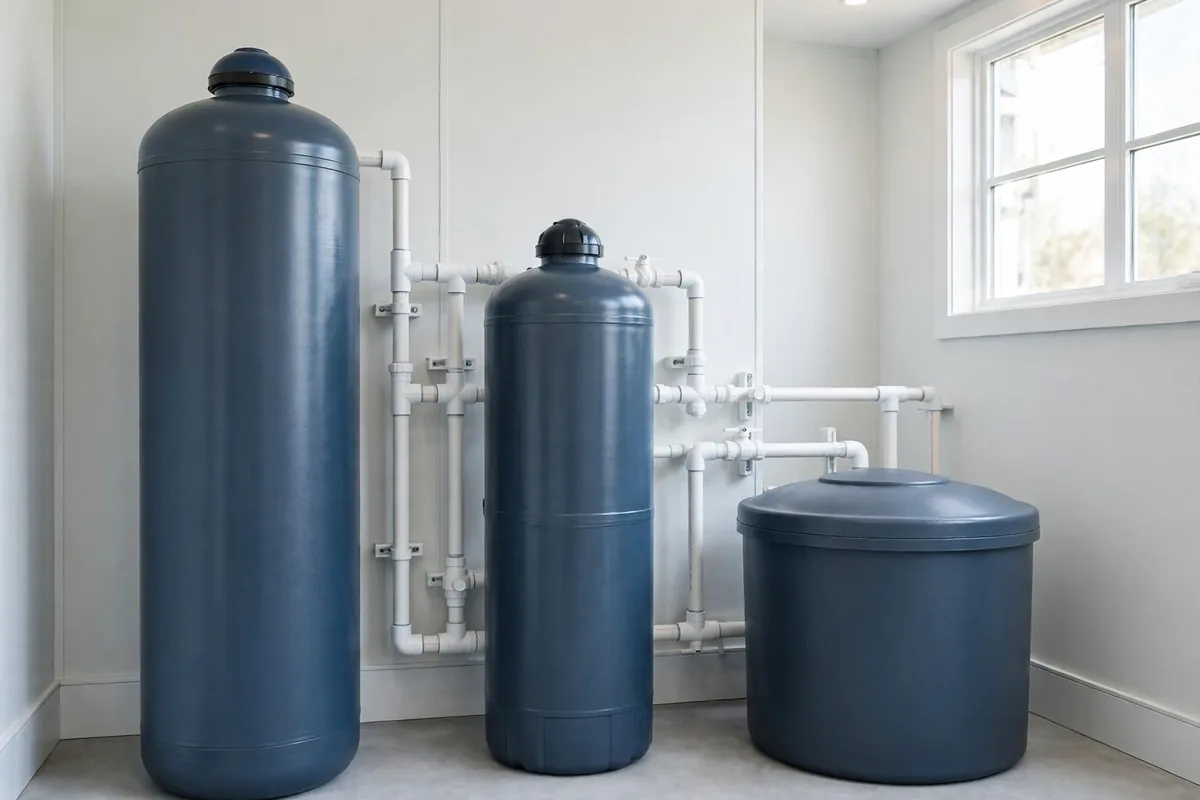
Iron Filter vs Water Softener vs Whole-House System: Which One Do You Actually Need?
Three boxes, three different jobs — and one correct order. Why a softener will not fix iron stains, and how your test numbers pick the equipment you actually need.
Read the guide →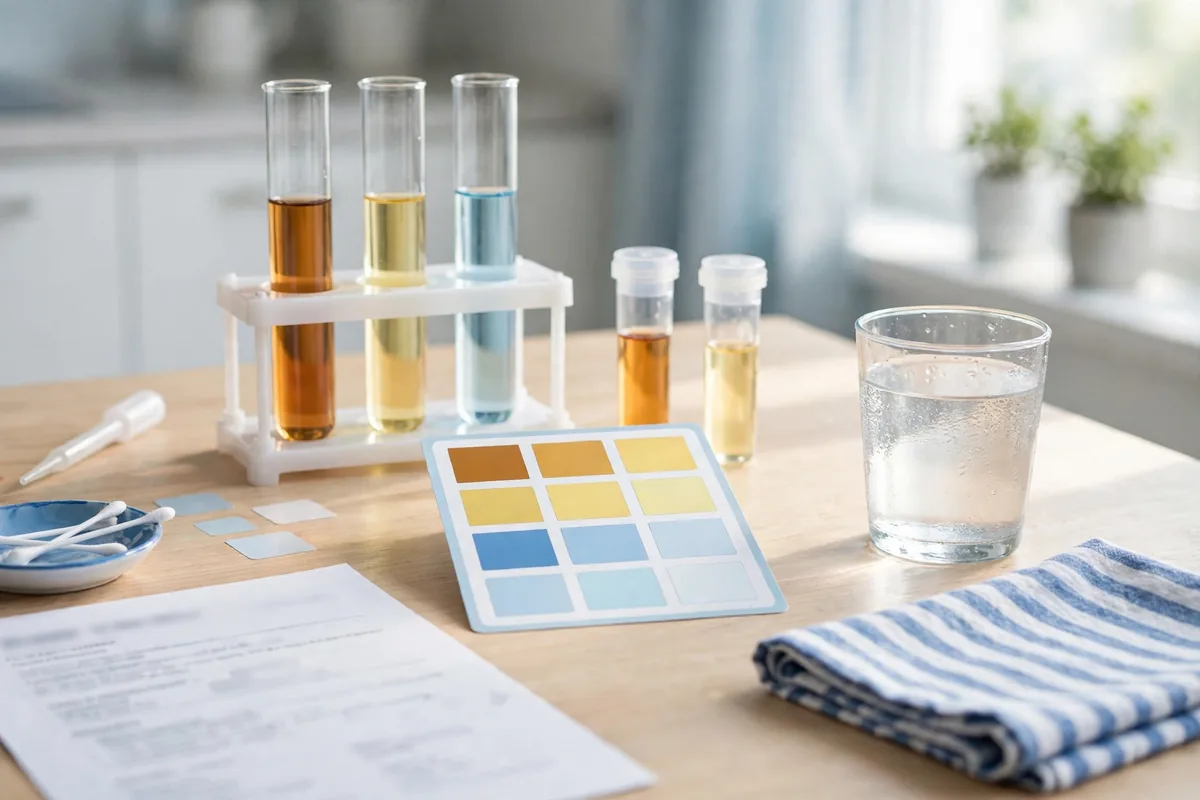
Get Your Well Water Tested First: What the Numbers Mean Before You Buy Anything
Before you buy any filter, test the water. What each number on the report — iron, pH, hardness, sulfur, bacteria — actually decides, and the treatment order it forces.
Read the guide →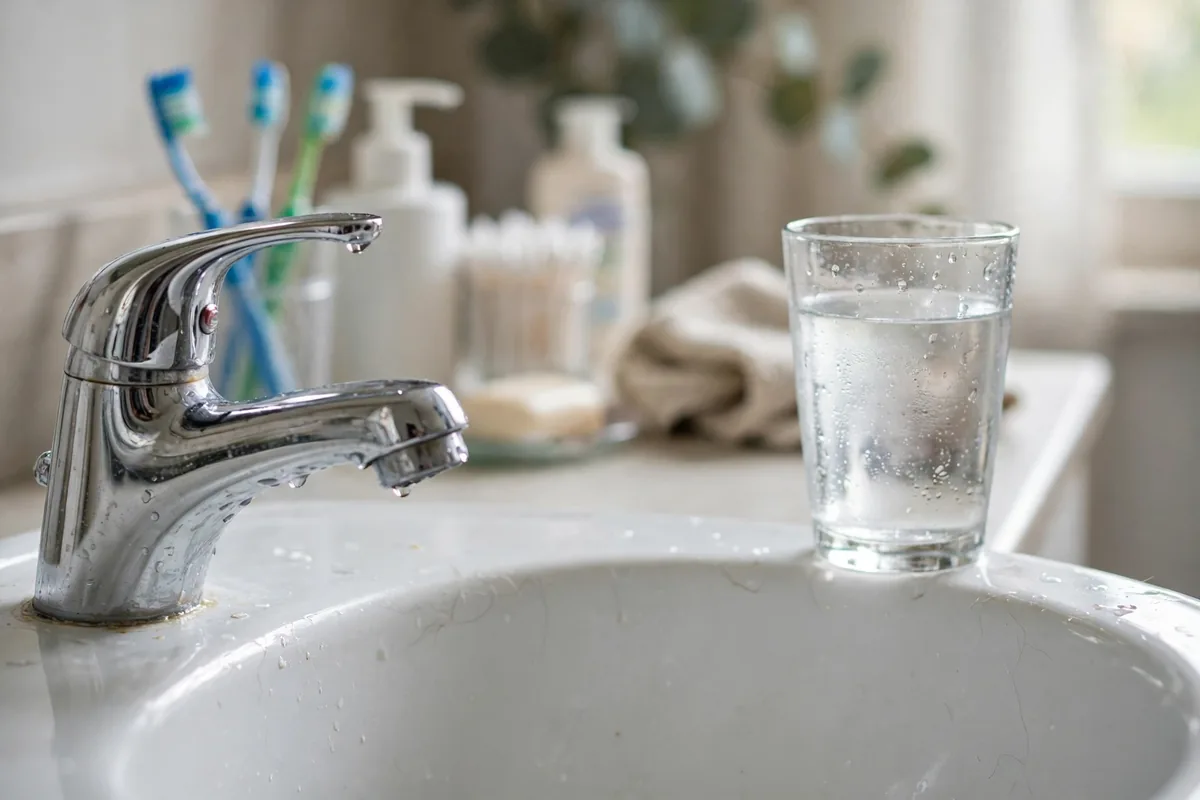
Well Water Smells Like Rotten Eggs: Sulfur, Bacteria, and How to Tell Them Apart
Rotten-egg smell in well water is hydrogen sulfide gas — and it has three different causes. The hot-and-cold test that tells them apart, and the fix for each one.
Read the guide →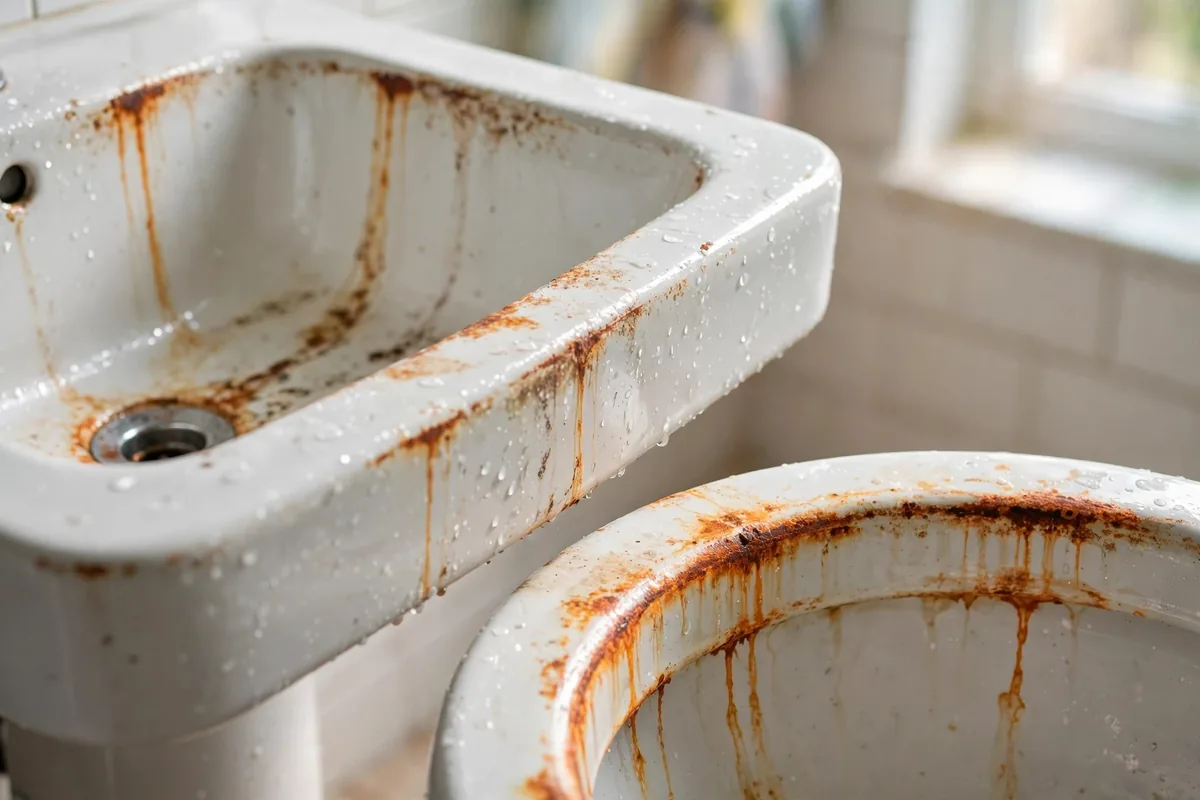
Iron in Well Water: Why Everything Turns Orange (and How to Fix It)
The orange ring, the rust spots on laundry, the coin taste — the three kinds of iron behind them, the four test numbers that matter, and the treatment order that actually works.
Read the guide →The method
Test first. Treat in order. Buy last.
Most well-water money is wasted on the right equipment bought in the wrong order — or on equipment the water never needed. The sequence is the whole game.
Test the water
A lab test before anything else. Iron alone decides nothing — pH, manganese, and hardness travel with it, and each one changes the answer.
Read the numbers together
What the EPA’s guidelines say, what each number rules in or out, and which treatment step it belongs to — in plain language, with the source named.
Match equipment to the water
Only then look at systems — and judge them by the manufacturer’s published ratings against your test, never by the phrase “removes iron.”
Why this site exists
A private well has no water company and no regulator — nobody tests your water but you. Meanwhile the people selling treatment have every reason to sell you a box before you understand your numbers. IronInMyWater exists to reverse that order: the test first, the chemistry in plain words, and equipment judged on published specs. We make no health claims and repeat no statistic we cannot trace to a primary source.