
Iron Bacteria in Well Water: The Slime in Your Toilet Tank, and Why a Filter Can't Fix It
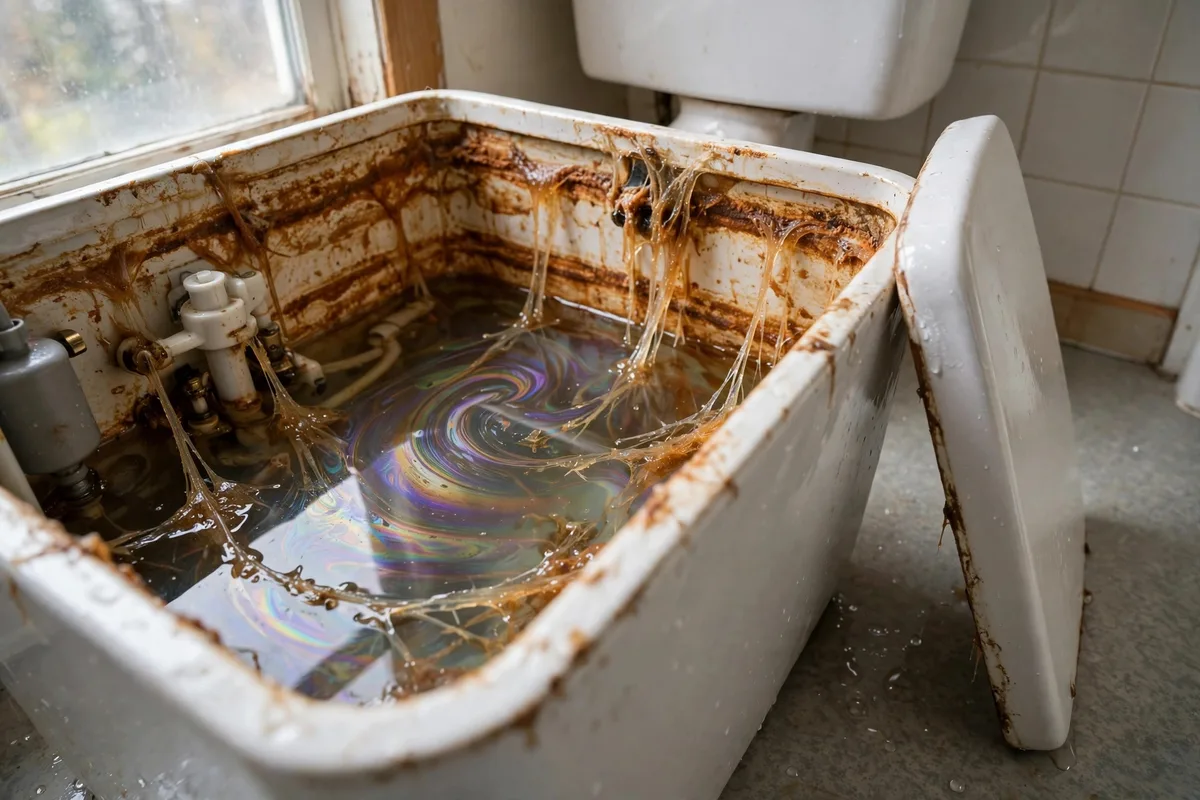
Lift the toilet tank lid
There is one place in your house that tells the truth about your well, and it is not the kitchen tap. Lift the lid off a toilet tank. The water in there has been sitting still, in the dark, at room temperature — exactly the conditions that let well water show what is living in it. If the tank walls are coated with a rusty orange or yellow-brown slime, if stringy, jelly-like strands hang in the water, if a faint rainbow sheen floats on the surface, you are not looking at dirt, and you are not looking at a plumbing problem. You are looking at a colony.
The colony is iron bacteria, and it changes the whole treatment question. Every other problem on this site — iron, manganese, sulfur, low pH, hardness — is chemistry, and chemistry can be filtered. Iron bacteria are biology. They live in the well itself, upstream of every piece of equipment you own, and they keep reseeding your plumbing no matter what you bolt onto the pipe. This guide covers how to recognize them, how to confirm them, and the order of operations that actually controls them: disinfect the well first, filter second, and expect a rematch.
What iron bacteria are
Iron bacteria are small living organisms that occur naturally in soil, shallow groundwater, and surface waters, as the Minnesota Department of Health describes them. They make their living by combining dissolved iron — or manganese — with oxygen, and the byproducts of that living are exactly what you found in the tank: deposits of rust, bacterial cells, and a slimy material that sticks the bacteria to well pipes, pumps, and plumbing fixtures. The slime is not a side effect. It is the structure the colony lives in, and it protects the bacteria inside it from almost everything you pour at them.
A few facts keep this in proportion. There is no drinking water standard for iron bacteria — Penn State Extension notes that any presence of them can cause symptoms, but no regulator sets a limit for them. They are not known to cause disease. What they cause, per both sources, is a nuisance with teeth: bad tastes and odors, staining, corrosion of plumbing, clogged well screens and pumps, and reduced flow from the well. One caution from the Minnesota Department of Health deserves its own line: while iron bacteria themselves are not known to cause disease, they can create conditions where other, disease-causing organisms may grow. That is why the same page advises testing the water for coliform bacteria and nitrate to be safe — a point we return to below.
They also have a favorite way in. Iron bacteria exist in soil and surface water everywhere, and Penn State Extension notes they are more often introduced into wells during drilling, construction, or maintenance than they are native to deep groundwater — carried down on equipment, or washed in with undisinfec ...[truncated 7892 chars]
Sources
The ratings, prices and guidelines in this guide were checked against these primary sources in November 2026.
The IronInMyWater rule
Test first, treat second — and never choose equipment from one number alone. Iron, pH, manganese, and hardness together decide the system; the manufacturer's published ratings, checked against your test, decide the model. How we work
Read next
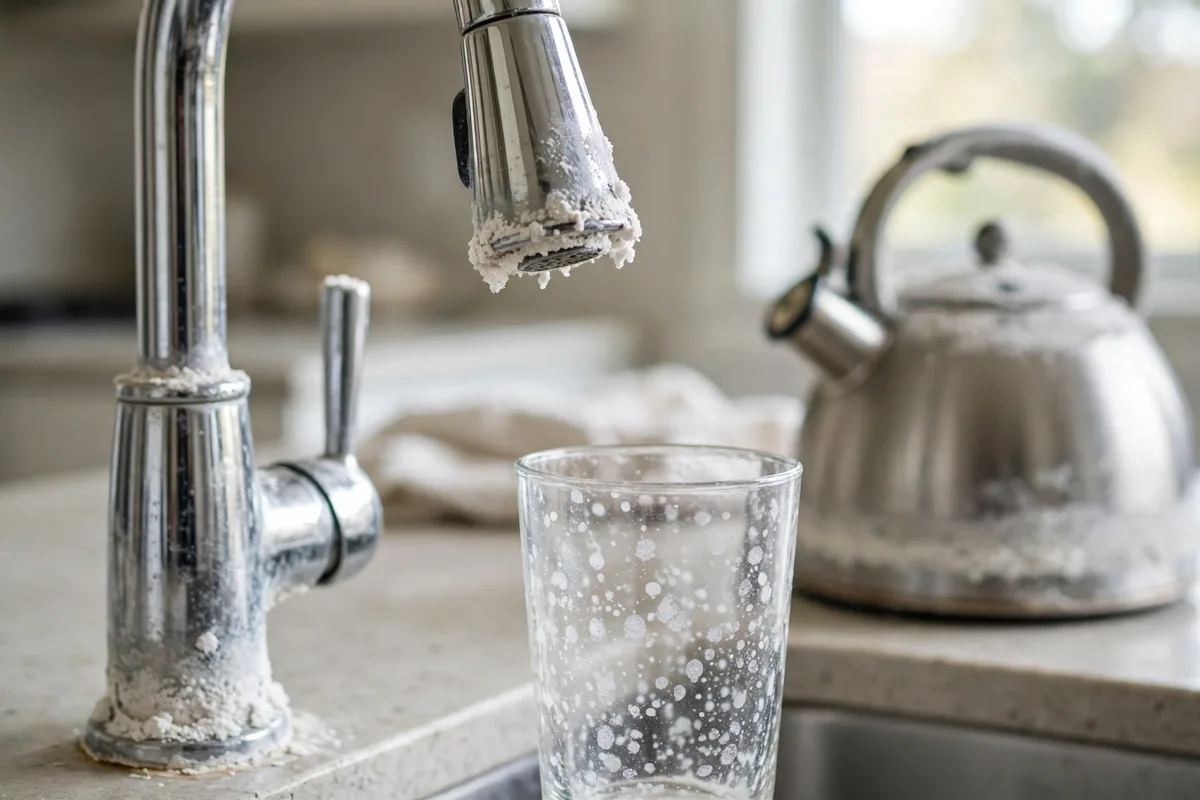
Hard Water & Scale
Hard Water in Well Water: White Scale, Spotty Dishes, and How to Soften It
White scale on the faucets, spots on every glass, a water heater slowly cooking itself in its own minerals. What your hardness number means, how a softener actually works, and why it goes last in the train.
Read the guide →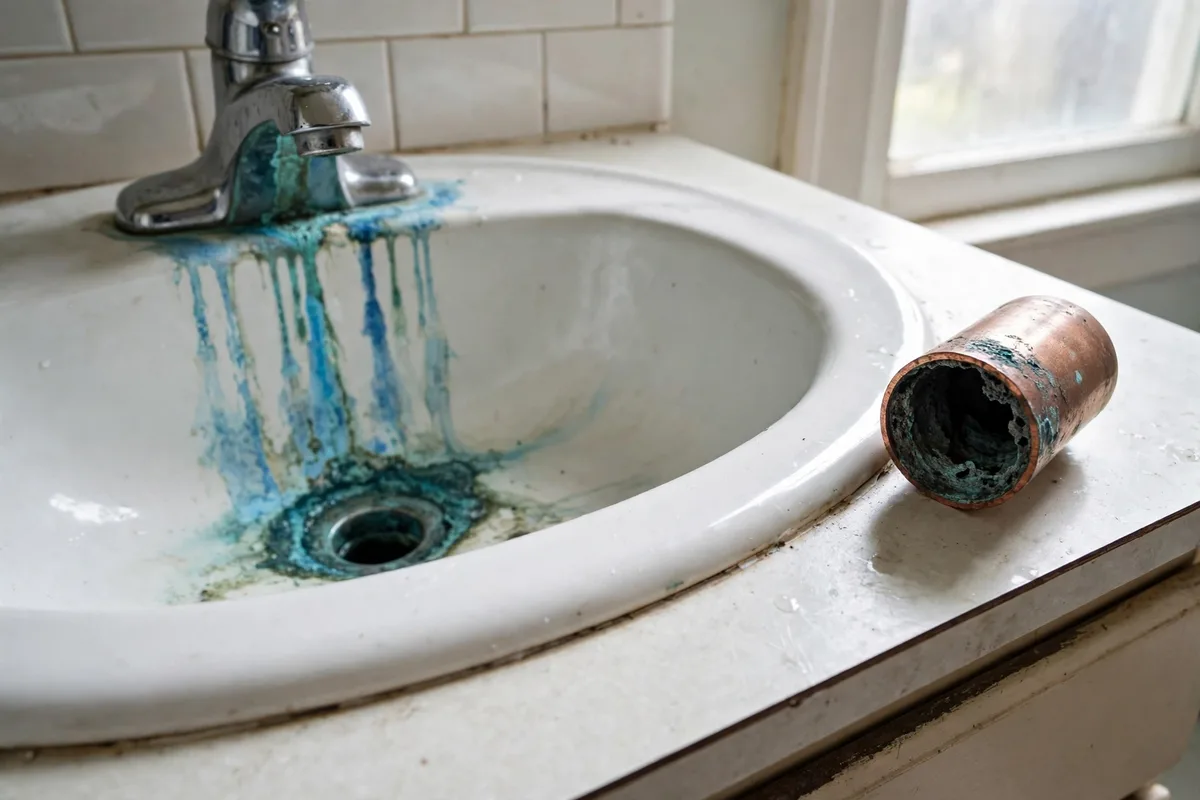
Low pH & Corrosion
Low pH in Well Water: Blue-Green Stains, Pinhole Leaks, and Why Your Filter Is Struggling
Blue-green stains, metallic morning water, pinhole leaks — acidic water eats copper plumbing from the inside, and quietly disables iron and manganese filters. Why pH is fixed first, and the two ways to raise it.
Read the guide →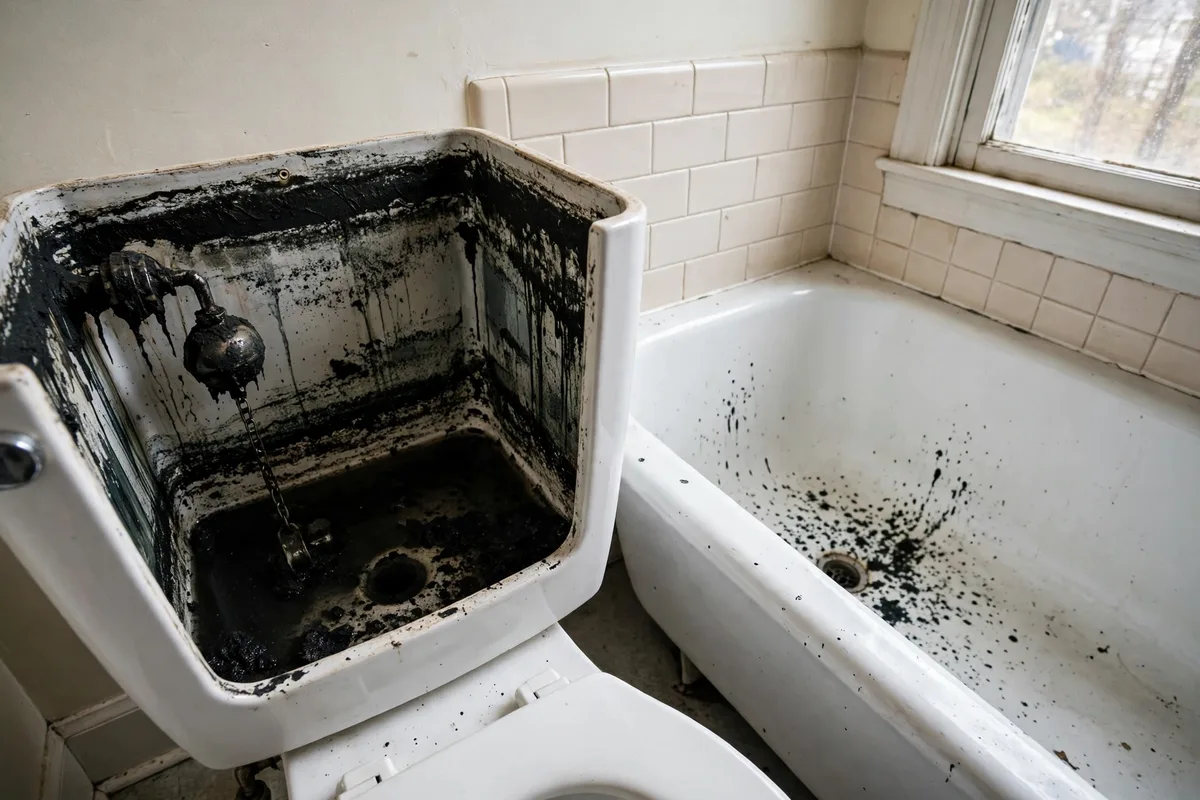
Manganese & Black Stains
Manganese in Well Water: Black Stains, Bitter Water, and Why Iron Filters Miss It
Black stains, black grit in the toilet tank, bitter coffee — manganese is iron's slower companion, and it slips past iron filters. The two numbers (0.05 and 0.3 mg/L) and the treatment each level needs.
Read the guide →