

Guides
Start from the symptom
Every guide starts where you are — a stain, a smell, a taste — and works back to the test numbers behind it, then forward to the treatment order that fixes it.
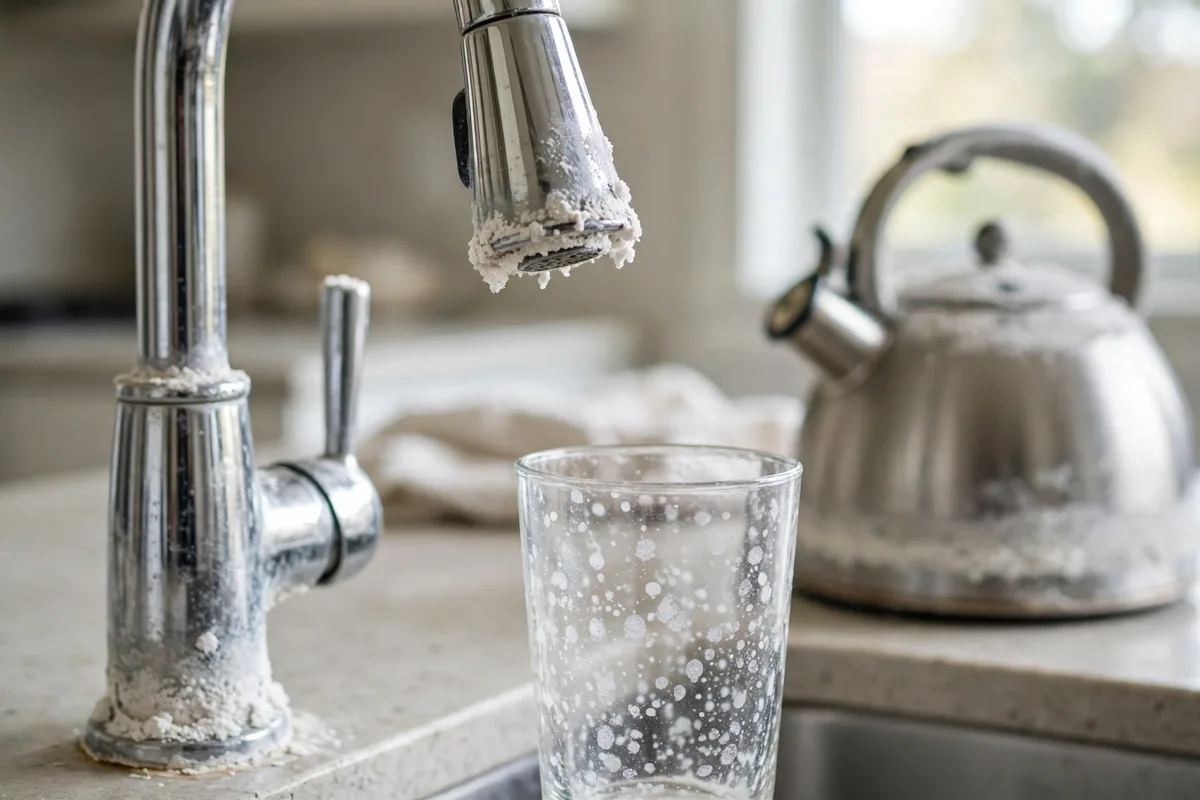
Hard Water in Well Water: White Scale, Spotty Dishes, and How to Soften It
White scale on the faucets, spots on every glass, a water heater slowly cooking itself in its own minerals. What your hardness number means, how a softener actually works, and why it goes last in the train.
Read the guide →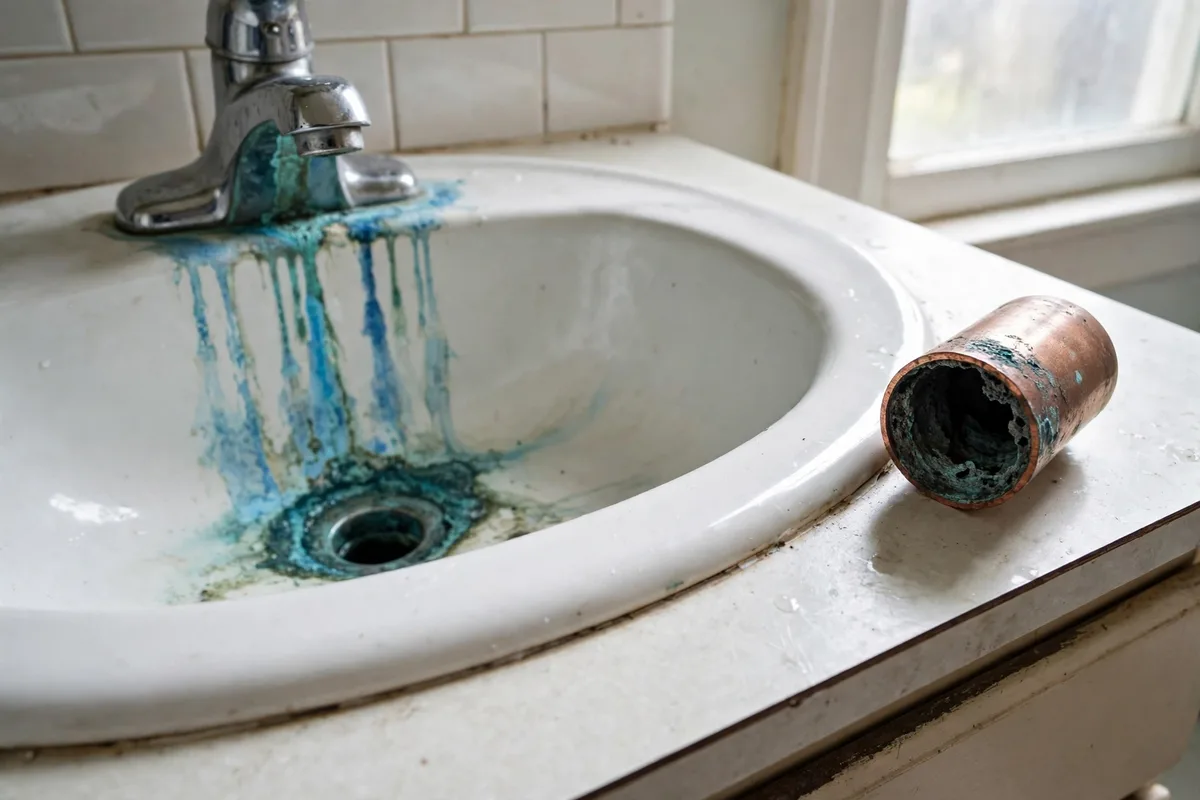
Low pH in Well Water: Blue-Green Stains, Pinhole Leaks, and Why Your Filter Is Struggling
Blue-green stains, metallic morning water, pinhole leaks — acidic water eats copper plumbing from the inside, and quietly disables iron and manganese filters. Why pH is fixed first, and the two ways to raise it.
Read the guide →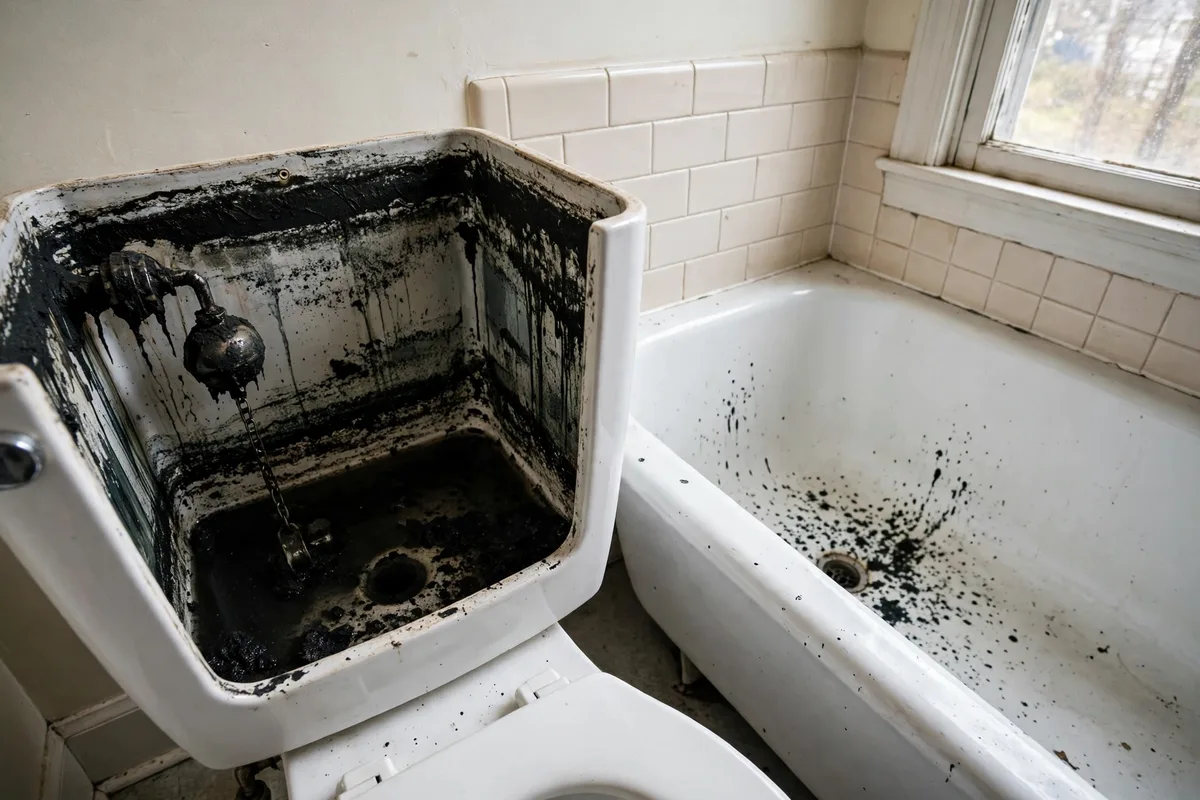
Manganese in Well Water: Black Stains, Bitter Water, and Why Iron Filters Miss It
Black stains, black grit in the toilet tank, bitter coffee — manganese is iron's slower companion, and it slips past iron filters. The two numbers (0.05 and 0.3 mg/L) and the treatment each level needs.
Read the guide →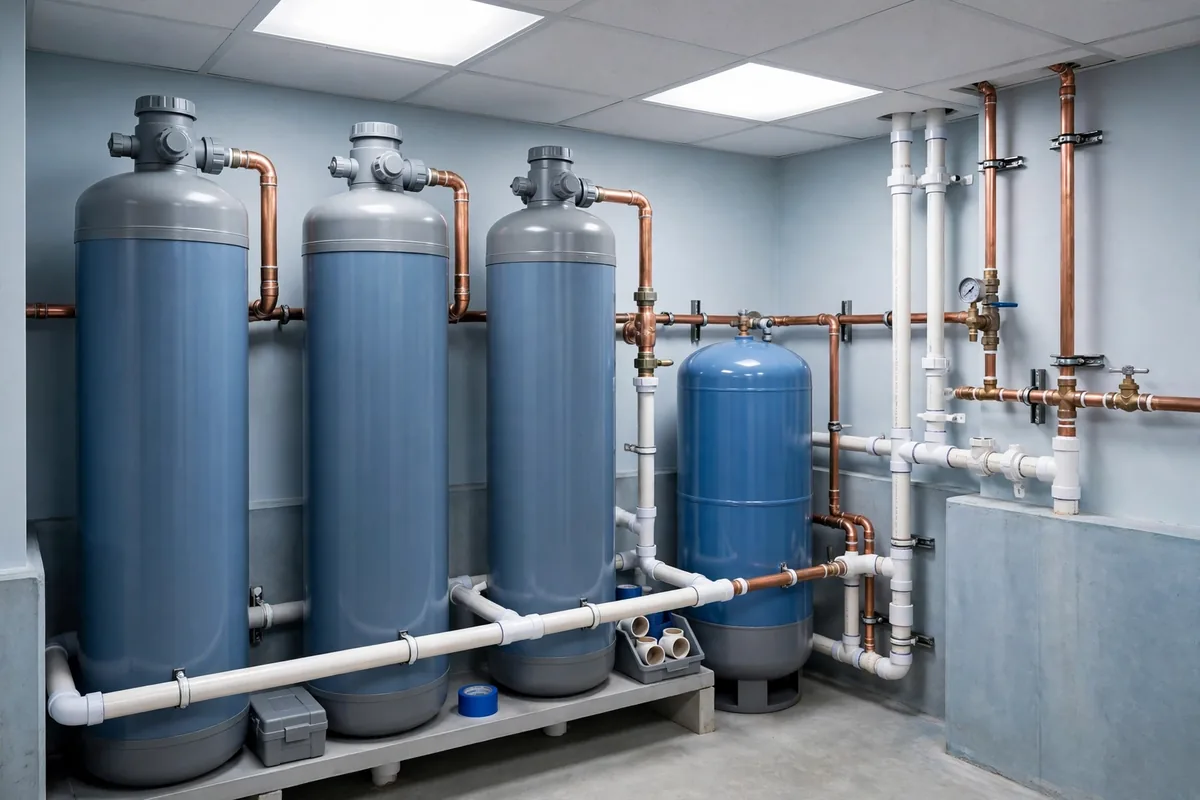
SpringWell vs US Water Systems vs iSpring for Well Water (2026)
$536, $2,231, or $3,295 — the price is not the ranking. SpringWell, US Water and iSpring compared on the manufacturers' own ratings, matched to your test numbers.
Read the guide →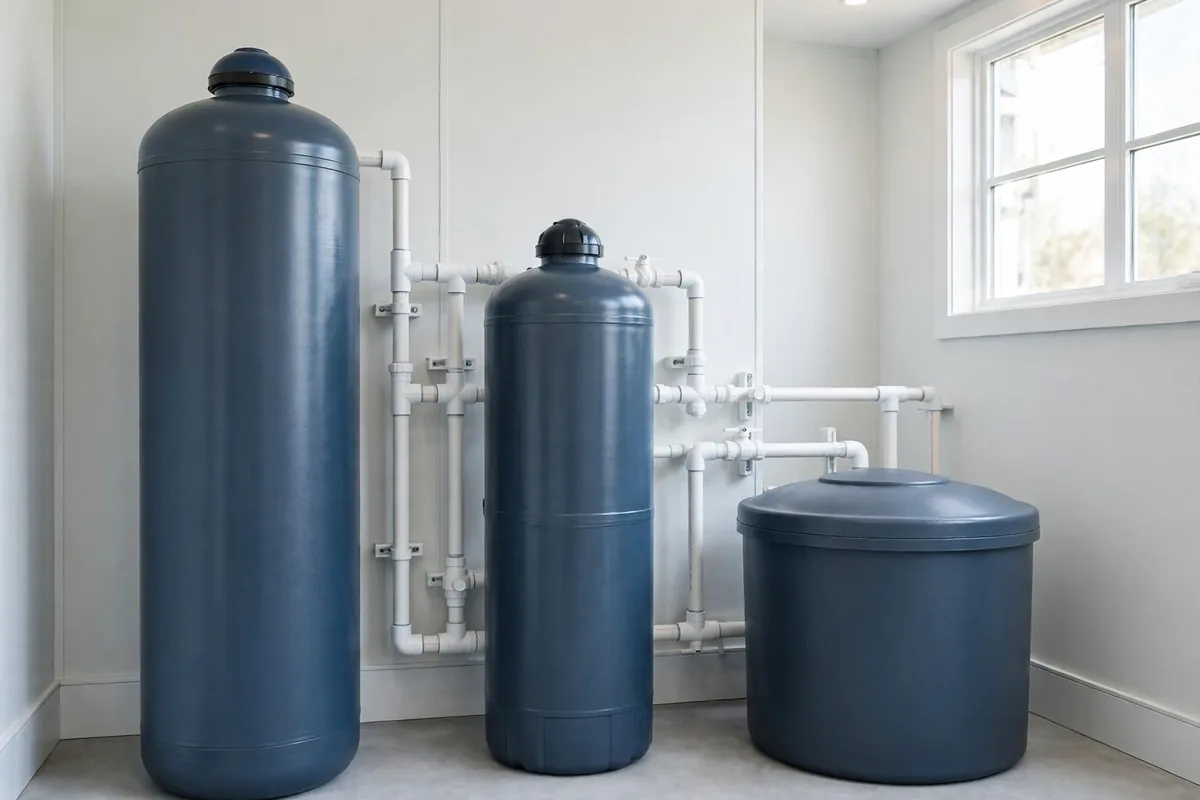
Iron Filter vs Water Softener vs Whole-House System: Which One Do You Actually Need?
Three boxes, three different jobs — and one correct order. Why a softener will not fix iron stains, and how your test numbers pick the equipment you actually need.
Read the guide →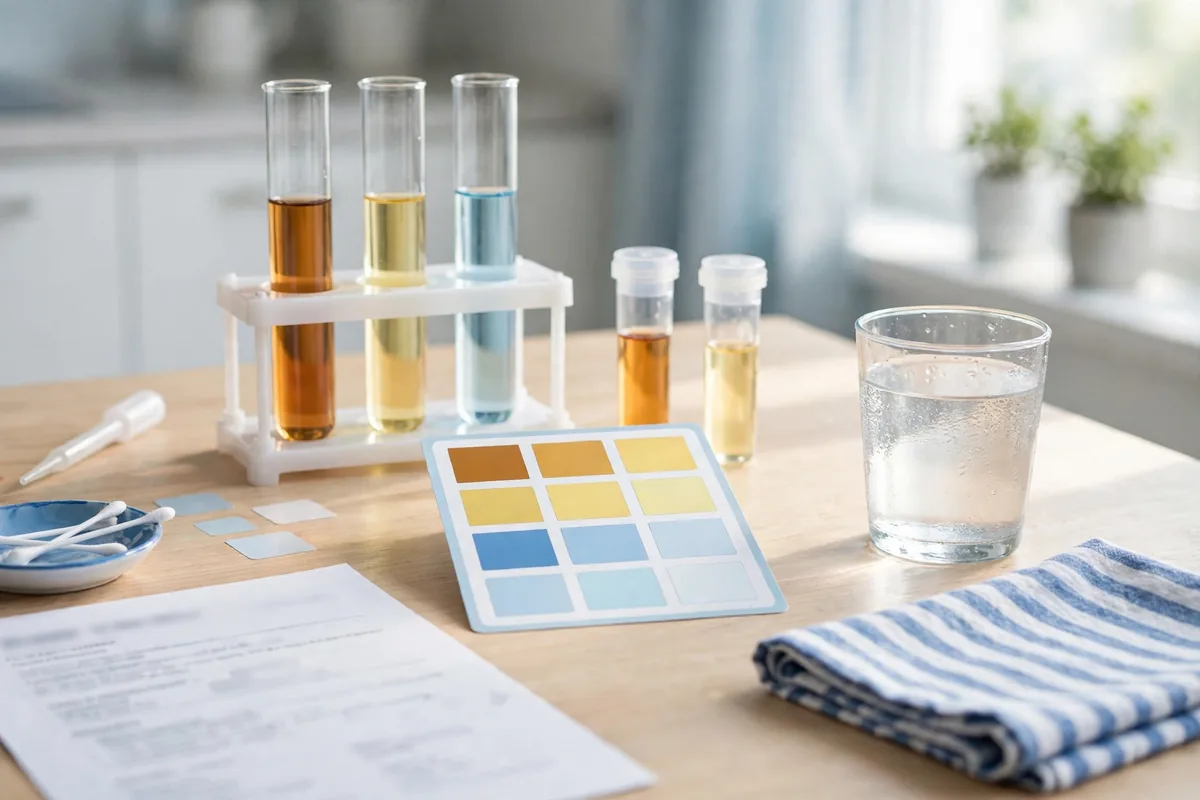
Get Your Well Water Tested First: What the Numbers Mean Before You Buy Anything
Before you buy any filter, test the water. What each number on the report — iron, pH, hardness, sulfur, bacteria — actually decides, and the treatment order it forces.
Read the guide →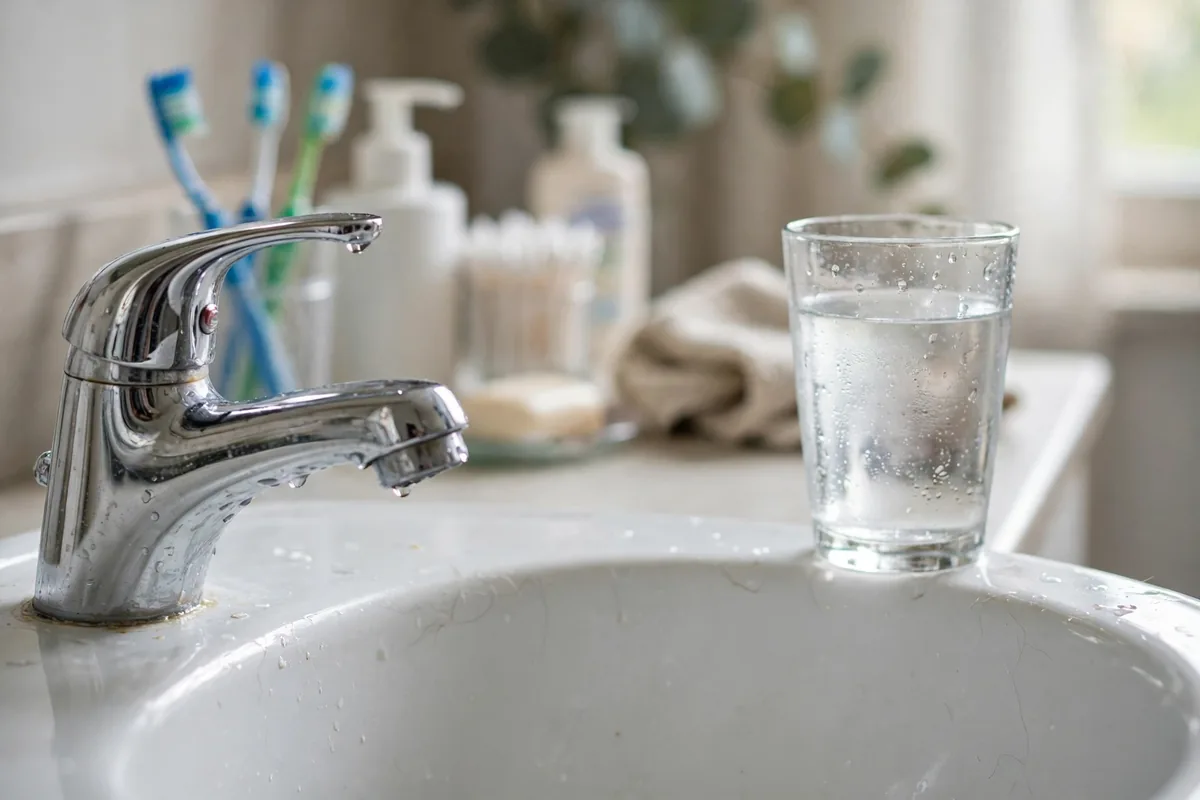
Well Water Smells Like Rotten Eggs: Sulfur, Bacteria, and How to Tell Them Apart
Rotten-egg smell in well water is hydrogen sulfide gas — and it has three different causes. The hot-and-cold test that tells them apart, and the fix for each one.
Read the guide →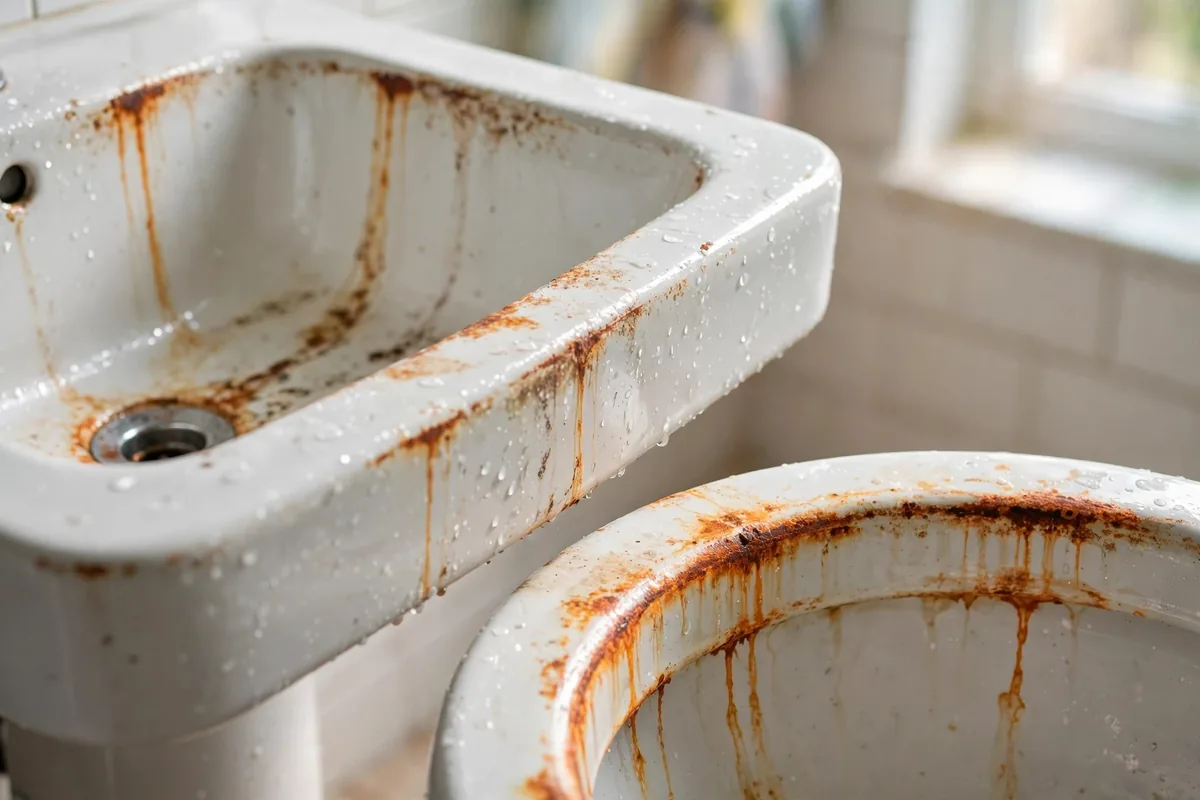
Iron in Well Water: Why Everything Turns Orange (and How to Fix It)
The orange ring, the rust spots on laundry, the coin taste — the three kinds of iron behind them, the four test numbers that matter, and the treatment order that actually works.
Read the guide →The method
Test first. Treat in order. Buy last.
Most well-water money is wasted on the right equipment bought in the wrong order — or on equipment the water never needed. The sequence is the whole game.
Test the water
A lab test before anything else. Iron alone decides nothing — pH, manganese, and hardness travel with it, and each one changes the answer.
Read the numbers together
What the EPA’s guidelines say, what each number rules in or out, and which treatment step it belongs to — in plain language, with the source named.
Match equipment to the water
Only then look at systems — and judge them by the manufacturer’s published ratings against your test, never by the phrase “removes iron.”
Why this site exists
A private well has no water company and no regulator — nobody tests your water but you. Meanwhile the people selling treatment have every reason to sell you a box before you understand your numbers. IronInMyWater exists to reverse that order: the test first, the chemistry in plain words, and equipment judged on published specs. We make no health claims and repeat no statistic we cannot trace to a primary source.